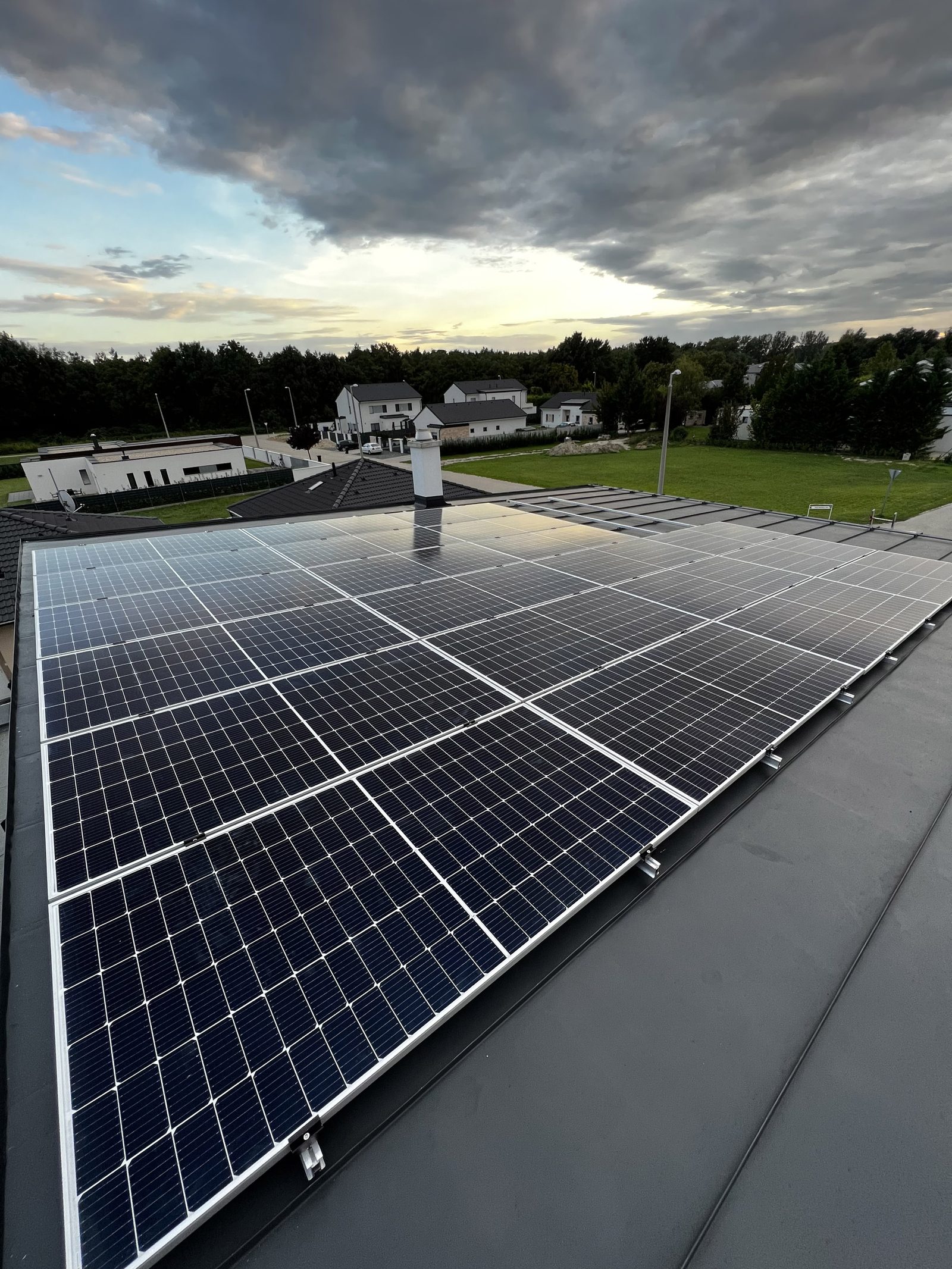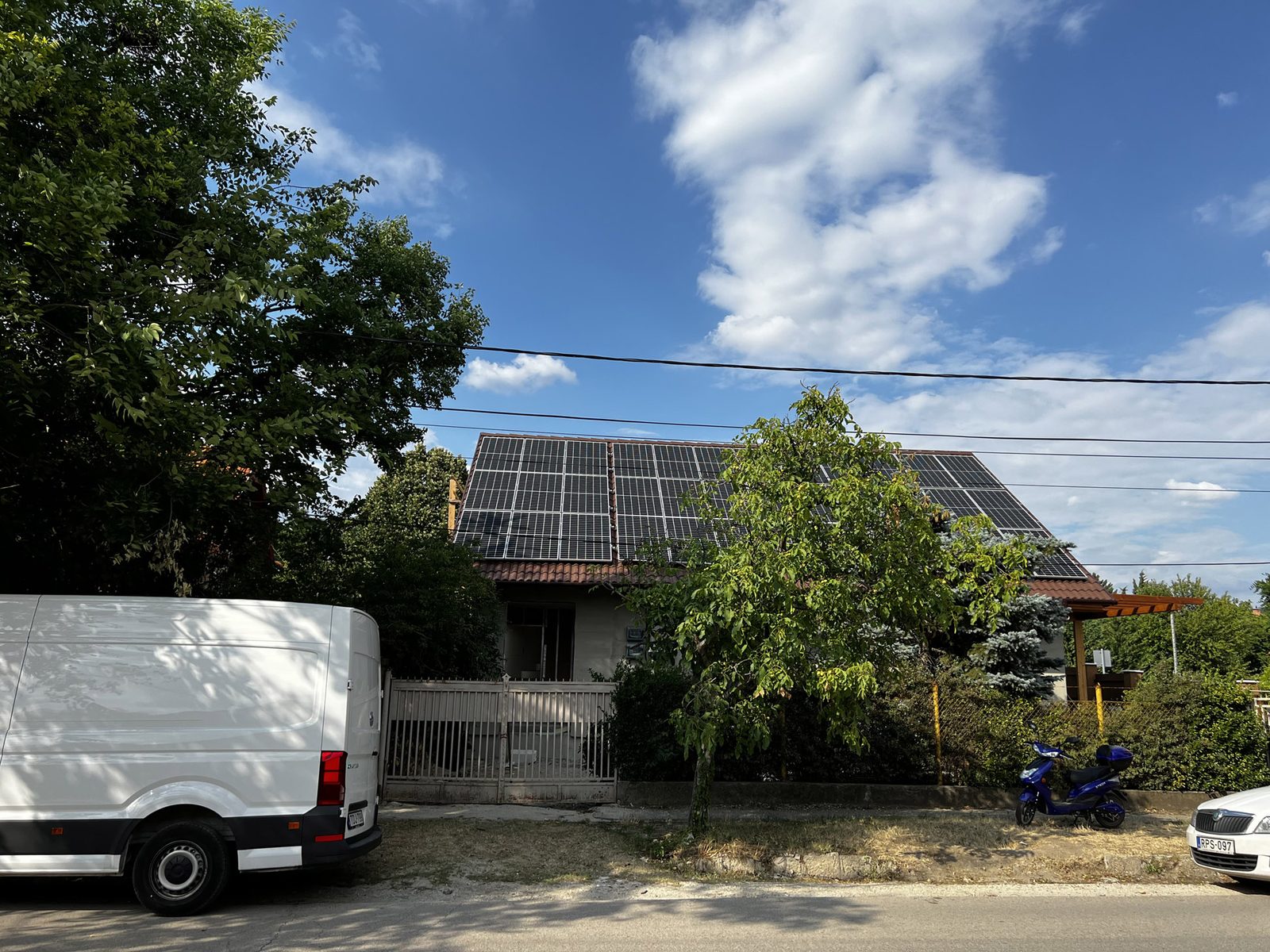
Combining a heat pump with solar is one of the best energy upgrades, but advertisements rarely mention that solar produces the least when heating demand is highest. The real picture is more nuanced, which is exactly why it pays to plan deliberately.
How does a heat pump work?
An air-to-water heat pump uses heat from outdoor air and passes it to the heating system. Efficiency is shown by COP (instantaneous coefficient of performance) and SCOP (seasonal average coefficient of performance). At a SCOP of 4, one kWh of electricity yields on average 4 kWh of heat. According to manufacturer data, Panasonic Aquarea and Daikin Altherma ranges can reach a SCOP of around 4 to 5 under favourable conditions, but this depends strongly on the flow temperature: with underfloor heating (35 degrees C) it is much better than with a high-temperature radiator system.
Example: a family house
- A 120 m2, moderately insulated house with an annual heat demand of about 12,000 kWh (heating and domestic hot water).
- At a SCOP of 4, electricity demand is about 3,000 kWh per year.
- A 5 kWp solar system producing about 5,500 kWh per year.
The winter reality
In Hungary, December and January together account for about 5 to 6% of annual solar production, roughly 300 kWh over the two months for a 5 kWp system. The heat pump, however, consumes the most at exactly that time. Solar therefore helps most not in midwinter but in the shoulder seasons (March to April, October to November) and with domestic hot water. A realistic estimate is that 20 to 35% of the heat pump's annual electricity can be covered directly from solar, and with a battery this can rise. You buy the rest from the grid, but summer surplus does not go to waste: air conditioning, the boiler and hot water use it.
How to improve utilisation
- Buffer tank: in sunny hours the heat pump can charge to a higher temperature, storing the energy as heat. This is cheaper than a battery.
- SG-ready input: on a signal from the hybrid inverter or energy manager, the heat pump runs harder when there is solar surplus.
- Daytime hot water: schedule tank charging for midday.
- Smart thermostat and heating curve: a lower flow temperature means a better SCOP.
Economics, honestly
Payback compared with current gas prices depends strongly on which tariff band your gas use falls into. At the regulated gas price the operating saving from a heat pump is modest, while for consumption above the limit it is significant. In favour of a heat pump are reduced gas dependence, the cooling option and long-term price security. We therefore suggest you do not calculate the investment on today's prices alone.
Sizing tips
- Size the heat pump to the building's actual heat loss and do not oversize: a machine that is too large often cycles on and off.
- Plan the solar array together with the heat pump's expected consumption. An extra 1.5 to 3 kWp is usually enough to give adequate summer and shoulder-season production.
- With radiators, check whether a lower temperature is still sufficient, since radiator replacement or partial insulation may be needed.
In summary: a heat pump and solar together cut heating costs permanently, but not to zero. The best results come from good insulation, a suitable heat emitter system and deliberate control. Ask us for a complete survey and the same quote will include the combined heat pump and solar calculation.