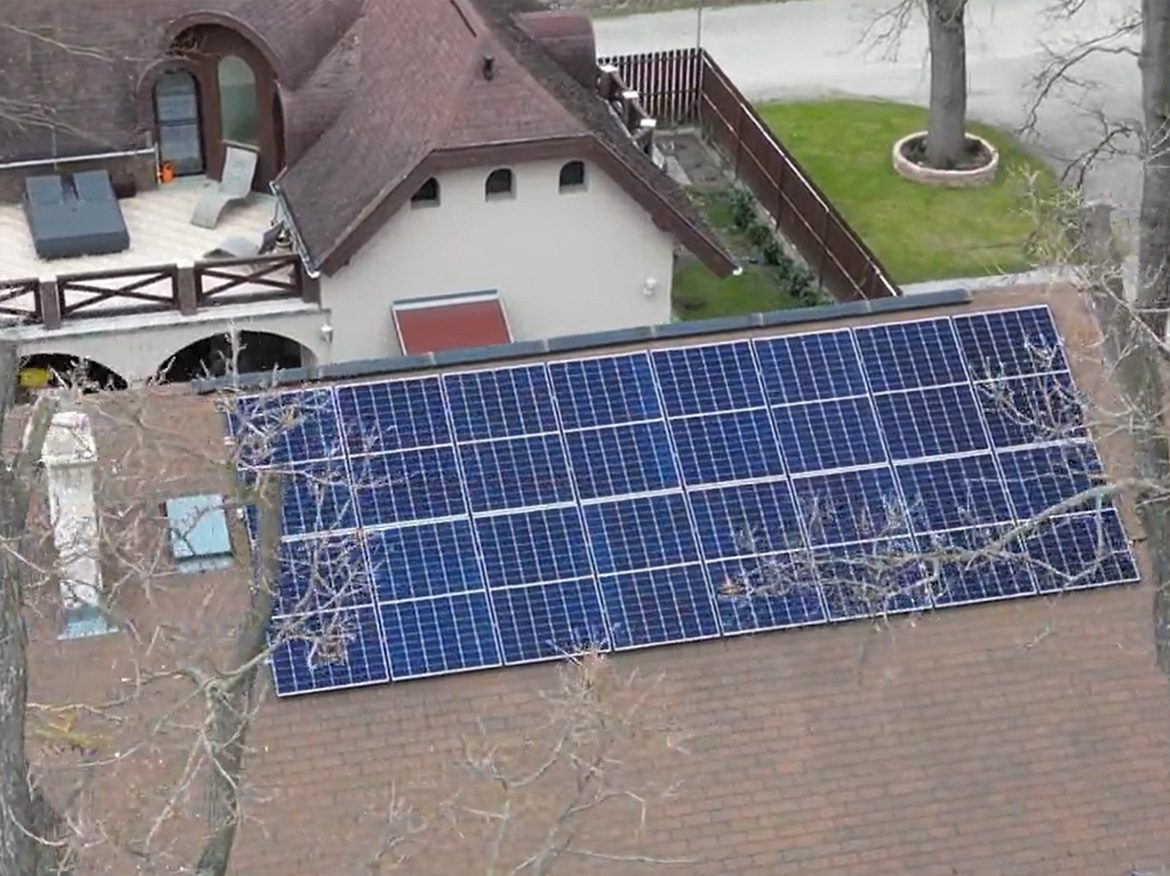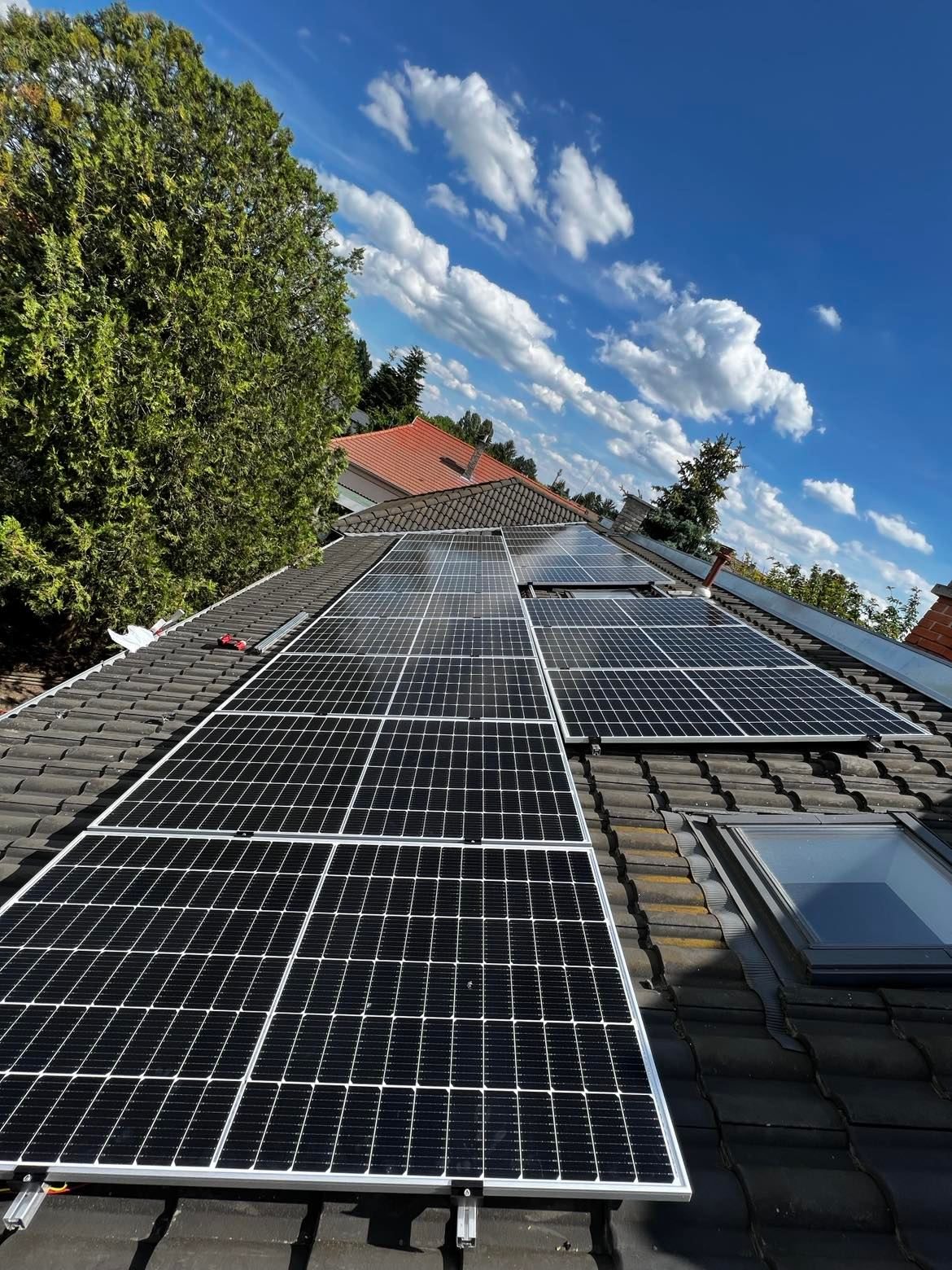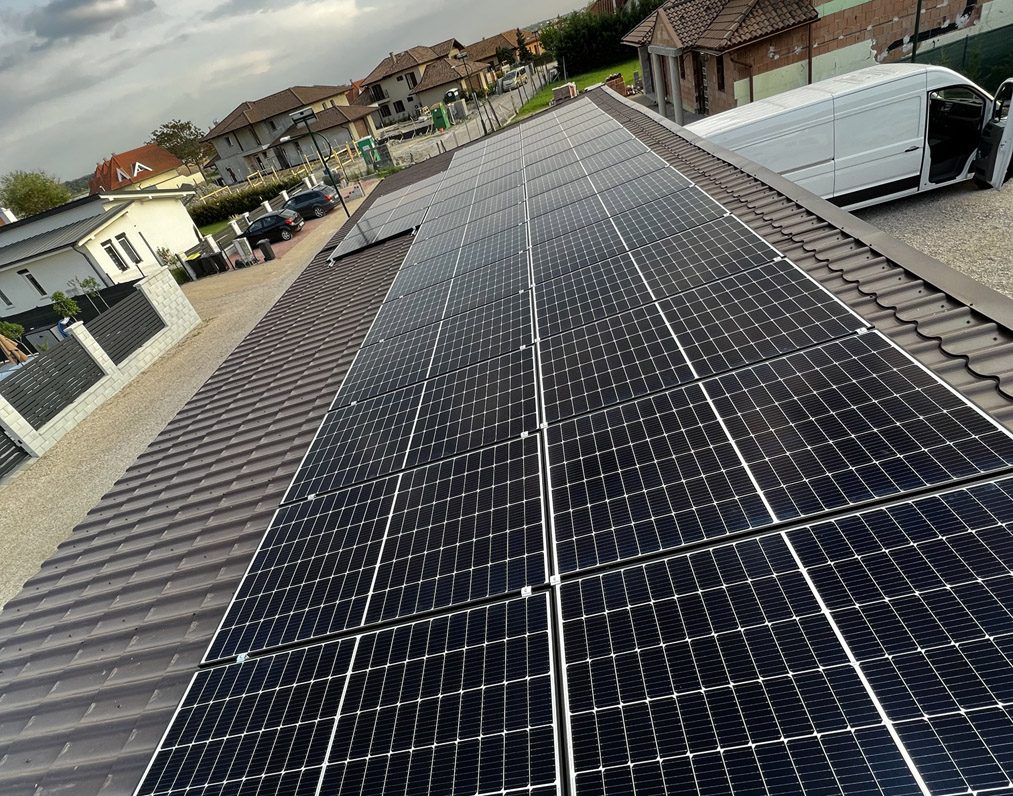
The essence of net metering was that energy fed into the grid and energy drawn from it were offset against each other before billing. Anyone who produced a lot in summer effectively used the grid as a battery in winter. For new systems this arrangement has ended and gross settlement has replaced it. If you are planning solar now, or expanding an existing system, this is the rule set you will meet.
What changes under gross settlement?
Under gross settlement the two directions appear as separate items: energy drawn from the grid is paid at the residential tariff, while energy fed in is paid at a rate set by your electricity supplier and tied to the market price. That rate is typically a fraction of the purchase price, and it is lowest around midday when everyone is producing. You will find the exact terms in your contract and in the notices of the network operator and MEKH, and it is worth reading them before installation.
The practical consequence is simple: every kWh used on site is worth more than one exported. The goal of system sizing is therefore no longer maximum annual production but the best possible self-consumption.
1. Raise self-consumption with timing
The cheapest measure costs nothing. Move the washing machine, dishwasher, dryer and boiler into the 10:00 to 15:00 window. Many modern appliances have a delayed start, and where there is a smart home system or Wi-Fi socket, automation is easy too.
2. Smart control and energy management
Most hybrid inverters, working with a smart meter, can direct surplus power to loads. Common solutions:
- Boiler or heating element control: the surplus is stored as hot water. This is the cheapest form of energy storage.
- Heat pump SG-ready input: solar surplus makes the heat pump store heat at a higher temperature.
- Electric car charging: automatic use of surplus, if the charger supports it.
- Air conditioner pre-cooling: in summer the midday surplus pre-cools the house.
3. Battery
A battery shifts the daytime surplus to evening and night. For an average family, 5 to 10 kWh can lift self-consumption from 30 to 40% to close to 65 to 80%. It is important to be realistic, though: on its own, a battery has a long payback because of the price difference, so its real value shows up together with the grant, the backup function and protection against gross settlement. We cover the 2026 residential storage grant in a separate article.
4. Right-sizing
Under gross settlement oversizing pays off less. It makes sense to keep capacity close to annual consumption, consider an east-west layout, and plan for future loads (heat pump, electric car, air conditioning) in advance. If those are certain to arrive, a larger system can still pay back.
What if you already have a system and are affected?
- Check your contract for when and under what terms settlement changes.
- Assess your daily consumption profile from your smart meter or inverter app data.
- Start with the free steps (timing), then add a controlled boiler.
- A battery can be added to an existing system later, either AC-coupled or by switching to a hybrid inverter.
Gross settlement does not make solar pointless, it only shifts the emphasis: the share of energy used on site decides, not the quantity produced. If you show us your consumption data, we will tell you which step brings the most.