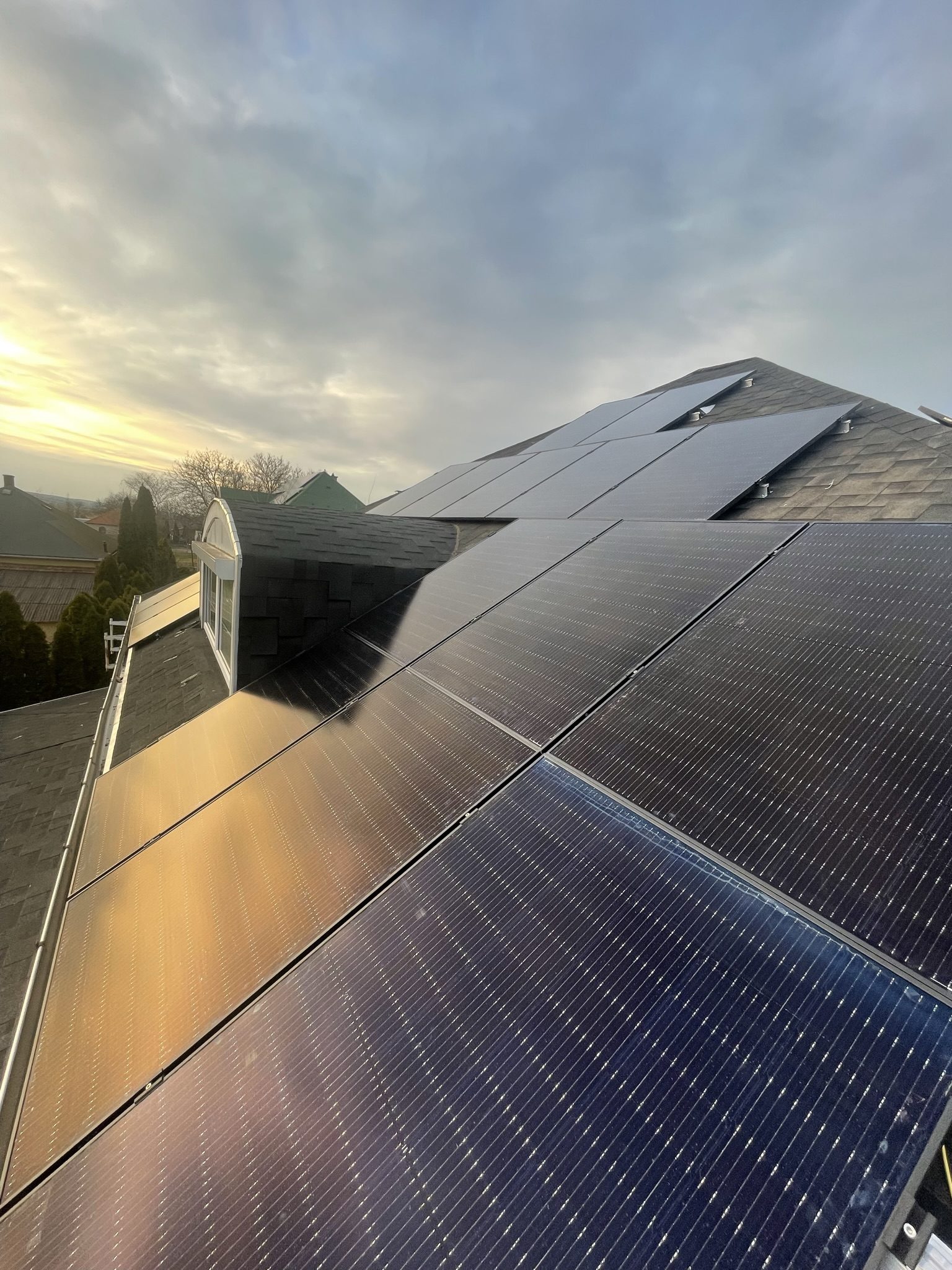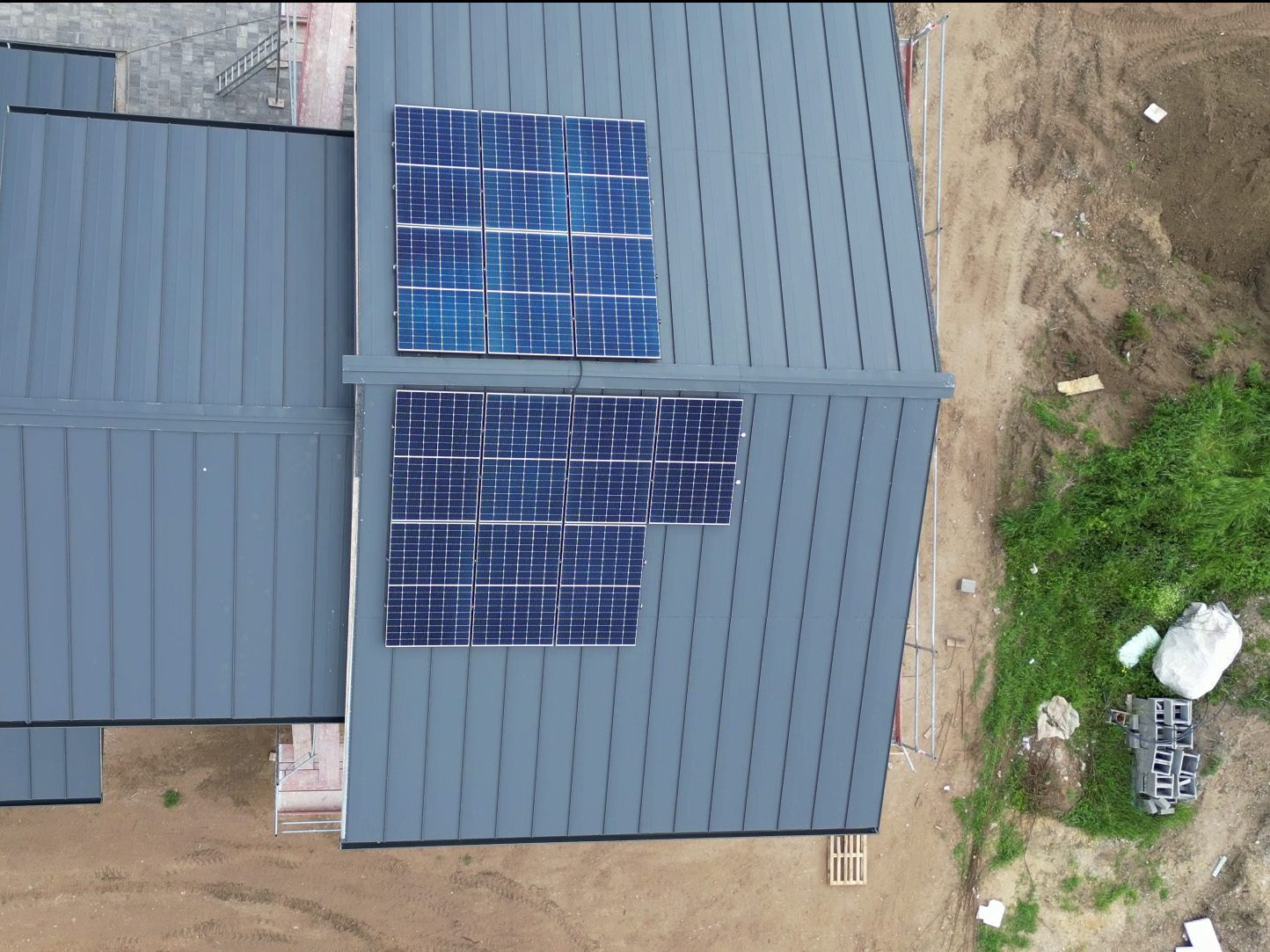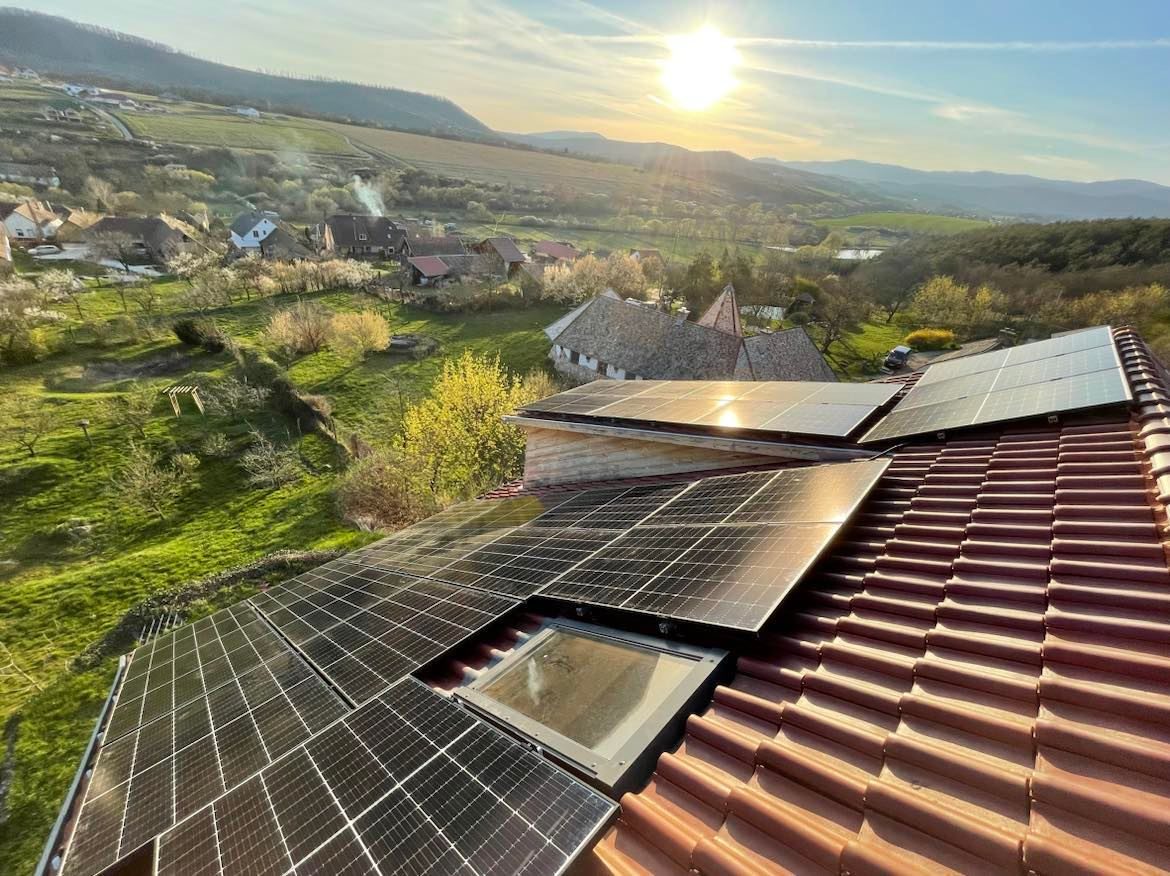
An off-grid system supplies loads independently of the grid, from solar panels, a battery and, when needed, a generator. For a holiday home, farmstead, wine cellar or garden building it is often more economical than a grid extension of several hundred metres.
Sizing starts from consumption
First list the loads and run times. Example for a weekend cottage: fridge (1 kWh/day), lighting (0.3 kWh), water pump (0.5 kWh), TV and chargers (0.4 kWh), an occasional washing machine. That is 2-3 kWh/day, which a 2-3 kWp array and 5-10 kWh of storage can handle. A permanently occupied farmstead with electric cooking and air conditioning might use 10-15 kWh/day or more, requiring 6-10 kWp and 15-30 kWh of battery.
Seasonality is key
In winter, generation is a fraction of summer output. If the property is occupied year-round, you size for the winter month, which means summer overproduction. If used only in summer, a much smaller system will do. We therefore clarify the usage pattern first.
Battery: LFP
Lithium iron phosphate (LFP) batteries last long (4000-6000+ cycles), are safe, discharge deeply (80-90 percent) and need no maintenance. They cost more than lead-acid but are cheaper per kWh over time and take less space. The BMS and communication with the inverter matter, as does limiting charging below freezing: install in a heated room or use a heated battery.
Inverter
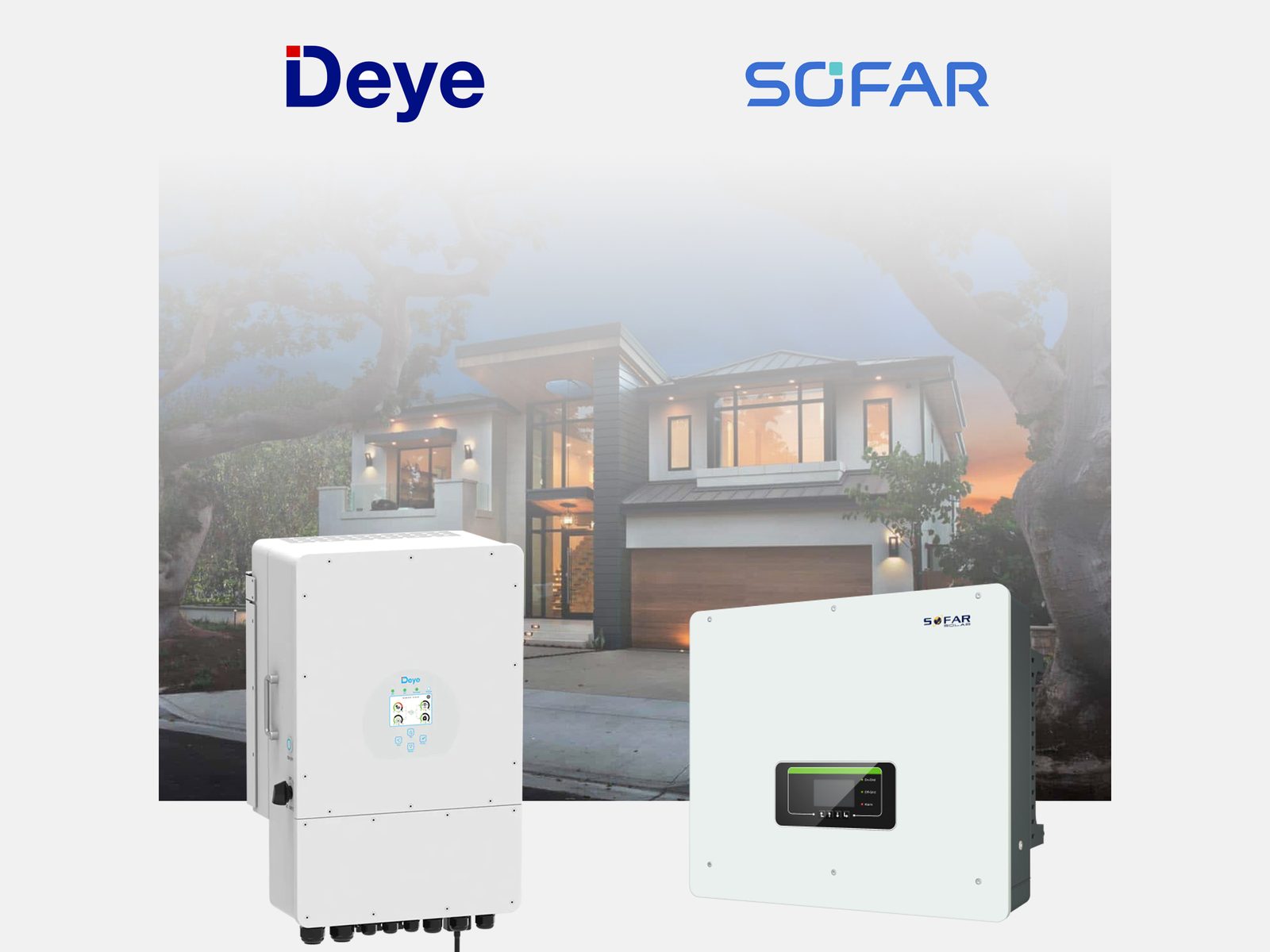
An off-grid or hybrid inverter that works without the grid is needed (for example Deye, SOFAR, Solis hybrid series, or Huawei's SUN2000 L1 series with a suitable battery). Power rating is based on the highest simultaneous load: motor loads (pumps, compressors) draw several times their rated current at start-up, so we leave a 30-50 percent reserve.
Generator backup
For long overcast spells it is worth connecting a generator: the inverter can start it automatically and charge the battery. It is the cheapest way to avoid sizing the battery and array for the worst day. A small generator plus a fuel reserve costs an order of magnitude less than extra battery.
Limits worth knowing
- Power is not unlimited: large loads (electric boiler, electric heating, water heating) together will drain the battery.
- Electric heating in winter from solar alone is not a viable path.
- Summer surplus is lost, as there is nowhere to feed it.
- Battery life depends on use; 10-15 years is attainable but not unlimited.
- Permitting: a system not connected to the grid needs no utility procedure, but electrical design and protective earthing of the building are mandatory.
When to choose the grid anyway
If a connection costs only a few hundred thousand forints and consumption is high, a grid-tied hybrid system is cheaper and more flexible. Off-grid unit costs are higher, but independence has real value.
At the survey, SolarBay sizes the array, battery and generator from your usage habits.
Budget guidance
A basic off-grid system for a weekend cottage (2-3 kWp, 5 kWh battery, inverter) typically runs to a few million forints, and supplying a whole farmstead costs several times that. The sum depends mainly on the battery. So it pays to switch to energy-efficient appliances: an A+++ fridge, LED lighting, a DC pump. Every kWh saved means a smaller battery and array. We always calculate the exact cost from the surveyed consumption and list expansion options separately in the quote.